
Analyzing Which Host Nation Will Go the Furthest in the 2026 World Cup?
The 2026 World Cup is not just a bigger tournament—it represents a true “turning point in the global football system,” in terms of the number of teams, competition format, and hosting structure expanded across three countries.
The fact that the United States, Mexico, and Canada are co-hosts does not simply mean sharing responsibilities—it also means all three teams gain “systemic advantages” that can significantly impact on-field performance.
However, what makes this analysis compelling is that these three teams are not on the same level in terms of player quality, big-stage experience, and tactical readiness.
The key question is not just “who has the advantage,” but rather “who can maximize that advantage the most.”
To answer this, we must look beyond surface-level factors like rankings or player names, and instead understand team structure, playing style, and environmental influences that truly affect performance.

3 co-hosts of the 2026 FIFA World Cup
Overview of the 2026 World Cup and the Impact of Co-Hosting
The 2026 World Cup will be the first edition expanded to 48 teams, fundamentally changing the competition format.
More matches mean increased fatigue, making squad depth more important than ever.
With three host nations, matches will be spread across multiple cities, climates, and pressure levels.
Teams traveling long distances across countries may face fatigue and adaptation challenges to different stadium conditions.
Meanwhile, host teams benefit from reduced travel, familiarity with venues, and strong home crowd support.
These are not minor details—they can directly influence match outcomes at the World Cup level.
Hidden Advantages of Host Nations Beyond Numbers
When discussing “advantages,” many think only of crowd support or reduced travel.
In reality, the benefits go much deeper.
Players performing at home tend to have higher confidence and make bolder decisions in key moments, knowing they have strong backing.
At the same time, visiting teams may feel pressure from hostile crowds or unfamiliar environments.
This pressure can directly affect performance, such as missed chances or poor decision-making in crucial moments.
United States: The Most Structurally Complete Host Team
Overall, the United States appears to be the most prepared among the three host nations.
The squad features many players competing in European leagues, raising the team’s standard in tactics, fitness, and game intelligence.
Their key strength lies in balance—they can perform both offensively and defensively while adapting tactically to different opponents.
They are not locked into a single style and can adjust their approach depending on the situation, which is crucial in a diverse tournament.
Additionally, fitness is a clear strength, as players can maintain intensity throughout matches.
However, the major question remains “experience in big matches.” Despite their potential, facing elite teams in later rounds will be a true test.
Realistic Chances of the USA Reaching the Final Stages
From a deeper perspective, the United States has all the ingredients to go far: speed, fitness, and strong teamwork.
What will ultimately determine their progress is their ability to handle high-pressure situations.
In the group stage, they may fully utilize their strengths, but knockout rounds require composure and experience.
If they can minimize mistakes and maintain consistency, a semi-final appearance—or even more—is possible.
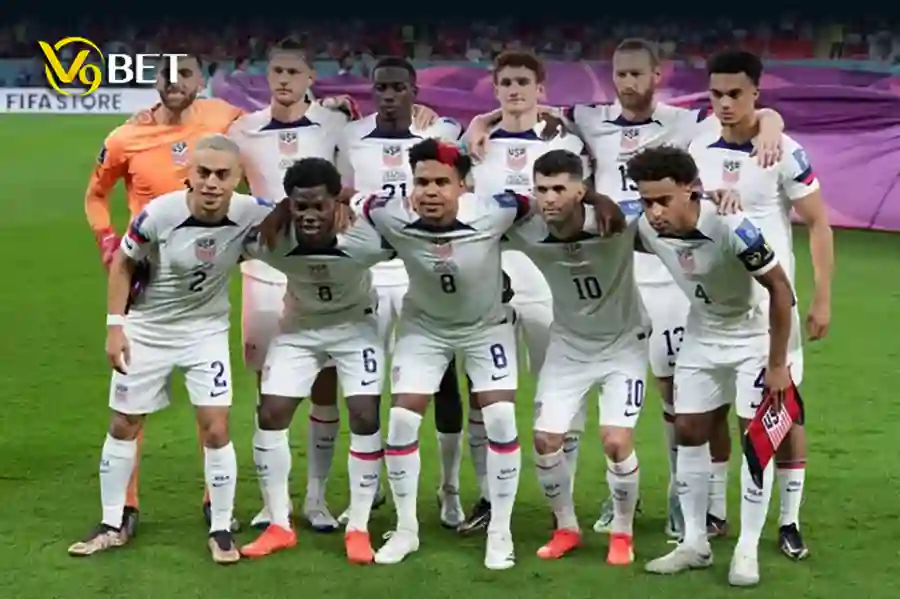
USA National Team
Mexico: The Host with the Strongest Fan Support
Mexico has the greatest advantage in terms of atmosphere among the host nations.
Stadiums like Estadio Azteca are not just venues—they are intimidating environments for visiting teams. The passionate and relentless support from Mexican fans can instantly shift game momentum.
For Mexican players, playing at home is not just an advantage but a powerful motivation that can push them beyond their limits.
However, inconsistency remains a concern. In past tournaments, Mexico has often performed well early but struggled to maintain form in later rounds.
The Key Factor That Will Decide Mexico’s Success
For Mexico, going far depends not only on ability but also on “handling pressure.”
If they can channel fan support positively, they become a very dangerous team.
But if expectations turn into pressure, the outcome may be the opposite.
Balancing emotion and tactical discipline is crucial for their success.
Read more: Explore the 2026 World Cup stadiums in Mexico before you watch and bet
Canada: A High-Ceiling Dark Horse Ready to Surprise
Canada is widely seen as the true “dark horse” of the 2026 World Cup, thanks to its rapid development in recent years.
The team’s strengths lie in speed and modern playing style, transitioning quickly from defense to attack and applying immediate pressure.
Their freshness and relatively lower expectations allow players to perform freely, which is a key advantage in major tournaments.
However, weaknesses remain in experience and defensive stability. Against top teams, small mistakes can quickly become decisive.
Conditions for Canada to Truly Go Far
Canada’s chances depend not only on potential but also on “tournament momentum.”
If they start strong, gain early points, and build confidence, they could exceed expectations.
Another key factor is the draw—avoiding top teams early would significantly increase their chances of progressing.
Finally, defensive discipline is critical. If they reduce errors and stay organized, Canada could be very dangerous in the knockout rounds.
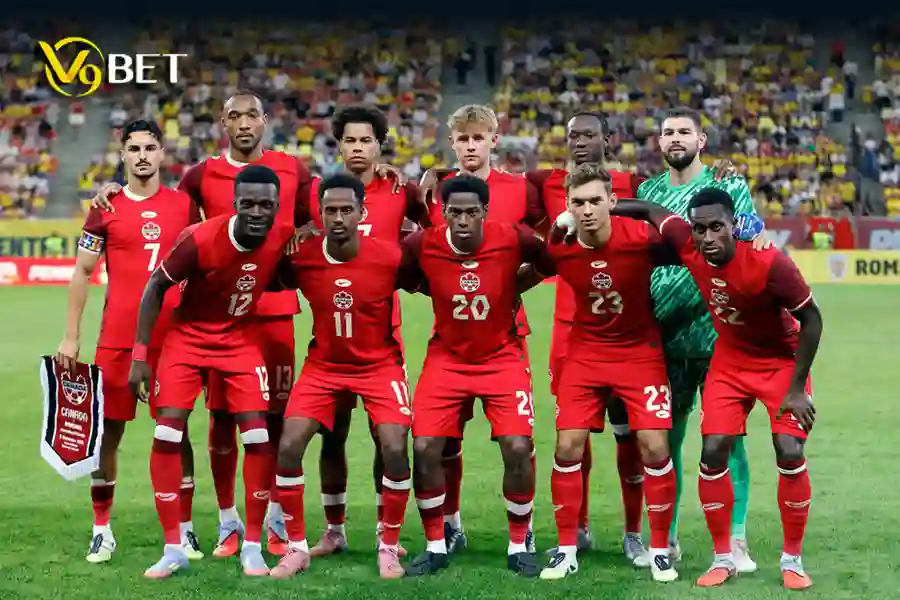
Canada’s National Team
Comparing the Three Hosts: Who Is the Most Ready?
When analyzing all three teams equally, each has its own strengths and limitations:
- The United States has the most balanced and structured team
- Mexico has unmatched fan support and environmental advantage
- Canada has freshness and speed capable of producing surprises
Overall, the United States appears the most prepared, but not overwhelmingly so. The outcome will depend on how effectively each team uses its strengths in real situations.
Key Factors That Decide Matches in Later Rounds
In the later stages of the World Cup, matches are often decided by fine details. Teams that control tempo and minimize mistakes have a higher chance of winning. The United States has structural advantages, Mexico thrives on fan support, while Canada relies on speed and momentum.
Betting Perspective: Which Host Is the Most Interesting?
Analyzing the World Cup from a betting perspective is not just about choosing the strongest team—it’s about “value.”
- The United States may have the best chance to go far, but odds may not always offer value
- Mexico is volatile, making it suitable for situational betting
- Canada has high upside—if odds remain low, it could be a strong value pick
Turn Insights into Profit with V9Bet
To profit from the World Cup, you need both information and the right tools.
V9Bet provides access to diverse odds and efficient analysis tools.
A stable system ensures you don’t miss key moments and can make accurate decisions. Watch live World Cup matches at sodball
Conclusion
The 2026 World Cup presents a major opportunity for all three host nations:
- The United States is the most prepared
- Mexico thrives on fan energy
- Canada has the potential to be a dark horse
Ultimately, the team that goes the furthest will be the one that best utilizes its advantages. For those seeking more than just watching football, V9Bet is the platform that can turn analysis into real opportunities.